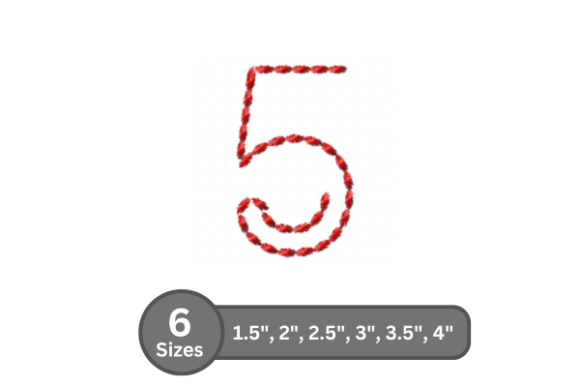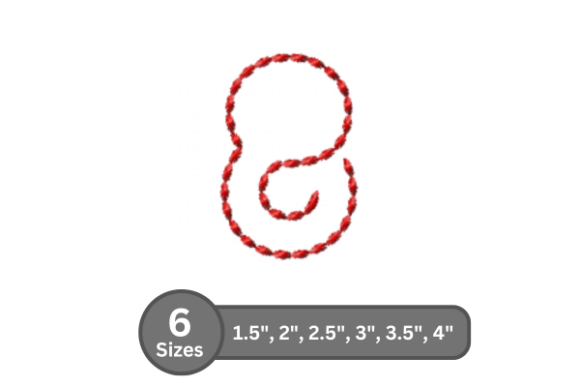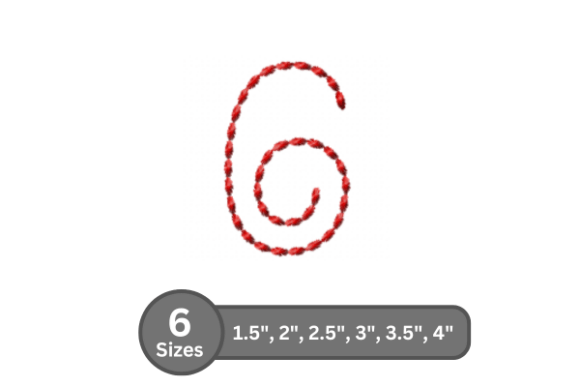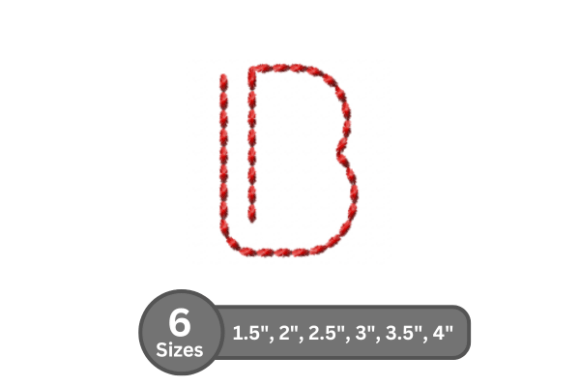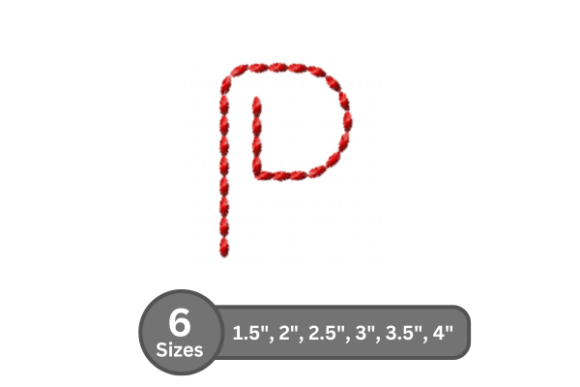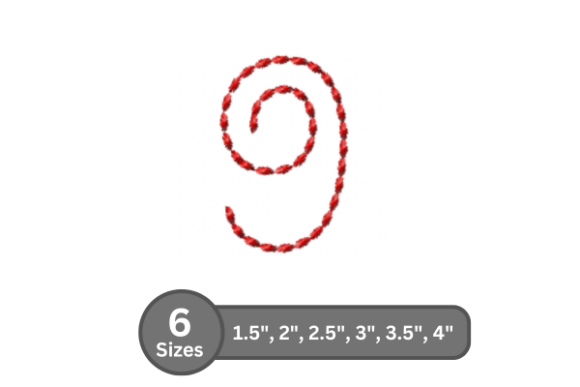
Soft Cord Number -9: A Designer’s Review
As an embroidery designer who has spent years digitizing fonts and testing them on everything from delicate silk to heavy canvas, I approach every new machine embroidery design with a critical eye. It is not just about whether the design looks good on a screen; it is about how it performs in the real world of small business merchandise. Recently, I evaluated Soft Cord Number -9, a fill stitch embroidery font that promises smooth stitching and professional results. For boutique owners, Etsy sellers, and apparel decorators, finding the right typography is crucial for building a cohesive brand identity. Here is my detailed review of how this design holds up under commercial pressure.
First Impressions and Visual Personality
The first thing you notice about Soft Cord Number -9 is its tactile appeal. The name itself suggests a texture, and the digitization delivers on that promise. Unlike sharp, angular fonts that can look aggressive or overly corporate, this font feels approachable yet polished. It strikes a balance between modern elegance and handmade warmth. For brands in the lifestyle, bakery, florist, or pet care sectors, this visual personality is a significant asset. It does not scream for attention but rather invites the viewer to look closer.
In the context of Monograms and custom lettering, the "soft cord" effect implies a certain depth. When digitized correctly, fill stitches can create a raised, plush appearance that mimics chenille or thick thread work without the complexity of actual chenille techniques. This makes it an excellent choice for businesses wanting to convey premium quality through their design assets. It feels friendly and rustic enough for a local coffee shop but clean enough for a high-end boutique.
Performance in Real Business Applications
The true test of any digital embroidery file is its versatility across different products. I tested Soft Cord Number -9 across several common small business merchandising items to see where it shines.
- Embroidered Patches: This is perhaps the strongest use case. The fill stitch structure provides excellent coverage, making the numbers or letters pop against the patch background. Whether used for staff ID badges or as a decorative element on a jacket, the design maintains its integrity.
- Custom Apparel and Uniforms: For café aprons or retail staff shirts, legibility is key. The smooth stitching ensures that the text remains readable even from a distance. It adds a touch of professionalism to apron embroidery that plain printed logos often lack.
- Tote Bag Design: Canvas bags are a staple for handmade brands. The robust nature of the fill stitches holds up well on heavier fabrics, providing a durable mark that survives frequent use.
- Cap Embroidery: While caps present challenges due to curvature, this font’s balanced spacing allows it to sit comfortably on the front panel without distorting, provided the size is adjusted appropriately.
For small business merch, consistency is vital. Using a font like Soft Cord Number -9 across various touchpoints—from packaging accents to customer gifts—creates a unified visual language. It helps in building customer trust, as a cohesive look signals attention to detail and professionalism.
Technical Considerations and Limitations
While Soft Cord Number -9 is versatile, it is not without its technical constraints. As a designer, I must advise caution in specific scenarios to ensure the finished product meets quality standards.
Stitch Density and Fabric Texture: Fill stitches inherently add bulk. On lightweight or stretchy fabrics, this can cause puckering if not managed correctly. It is essential to use the proper stabilizer—likely a cut-away for garments that will be washed frequently—to support the weight of the stitching. On textured fabrics like terry cloth towels, the smoothness of the font might get lost if the thread color does not contrast sufficiently with the base material.
Size Constraints: This design is not ideal for tiny lettering. The details that give it the "soft cord" look require a minimum size to remain distinct. If you attempt to embroider it too small, the stitches may merge, resulting in a blob rather than a crisp number or letter. Always check the recommended minimum height before finalizing your hoop size and placement.
Curved Surfaces: When applying this to cap fronts or curved seams, remember that fill stitches do not stretch. Distortion can occur if the design is placed too close to a seam or on a highly curved area. A test run on a similar curved surface is mandatory before committing to a large production run.
Impact on Brand Identity and Customer Perception
In the competitive landscape of handmade goods and local retail, perception is reality. Soft Cord Number -9 contributes positively to brand identity by offering a look that is both artisanal and refined. Customers often associate embroidered elements with higher value compared to printed graphics. This perception can justify a higher price point for custom apparel and accessories.
Moreover, the tactile nature of the embroidery engages customers physically. When a customer picks up a tote bag or runs their hand over an embroidered patch, the texture creates a memorable sensory experience. This engagement fosters a deeper connection to the brand, encouraging repeat business and word-of-mouth referrals. For Etsy sellers, showcasing close-up photos of the smooth stitching can significantly boost conversion rates, as it demonstrates quality craftsmanship.
Practical Designer Notes for Production
Before integrating Soft Cord Number -9 into your commercial workflow, follow these practical steps to ensure success:
- Test in Black and White First: Remove color variables to evaluate the shape and spacing of the letters. If it looks good in monochrome, it will likely work well with thread colors.
- Check Small Patch Viability: Stitch out a sample at your intended smallest size. Verify that the details remain crisp and that there is no excessive pull on the fabric.
- Review Thread Contrast: Ensure your chosen thread color stands out against the fabric. Low contrast can make the soft edges of the font disappear, reducing legibility.
- Inspect Spacing and Hoop Size: Confirm that the design fits within your machine’s hoop capabilities without requiring re-hooping, which can lead to misalignment.
- Test on Real Fabric: Digital mockups are helpful, but nothing replaces a physical test. Stitch on the actual material you plan to use to check for puckering or distortion.
- Use Proper Stabilizer: Match your stabilizer to the fabric weight. Heavier fabrics may need less support, while knits require robust stabilization.
- Create a Printable Mockup: Use a printable mockup to show clients or stakeholders how the design will look on the final product before production begins.
- Confirm Commercial Licensing: Always verify the license terms of the embroidery file. Ensure you have the rights to use it for commercial purposes, especially if you are selling the finished items.
In conclusion, Soft Cord Number -9 is a strong contender for small business owners looking to elevate their branded merchandise. Its smooth stitching and professional finish make it suitable for a wide range of applications, from patches to apparel. By understanding its technical requirements and leveraging its aesthetic strengths, you can create high-quality commercial embroidery projects that enhance your brand’s reputation and delight your customers. Remember to always prioritize testing and proper technique to achieve the best possible results.