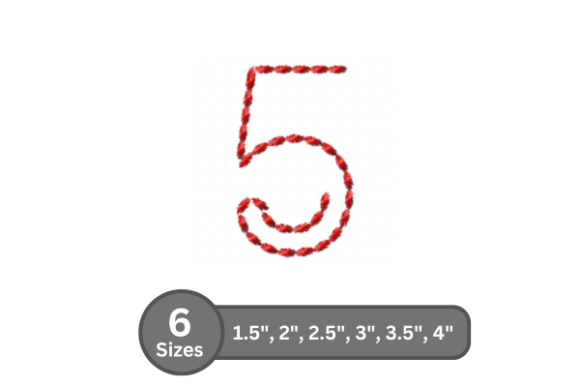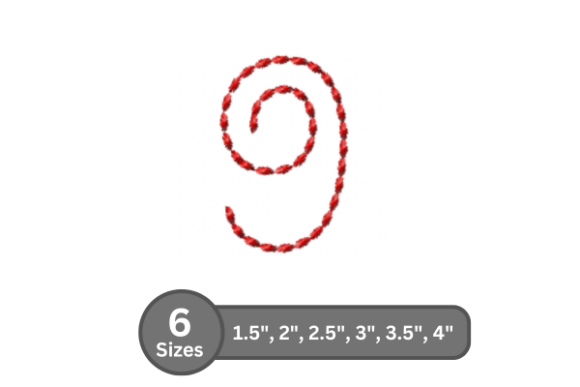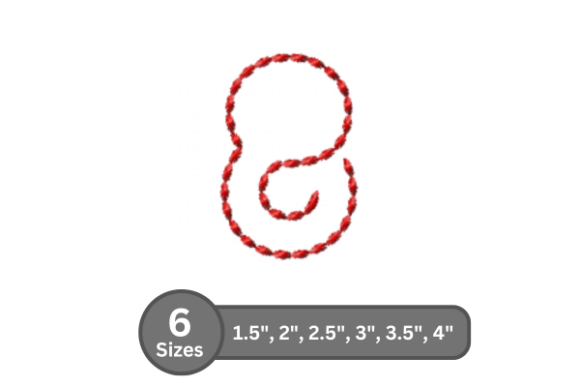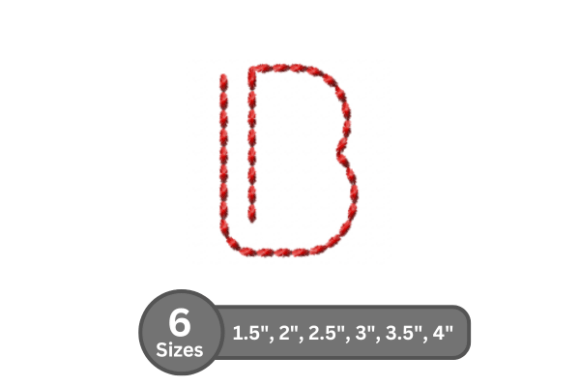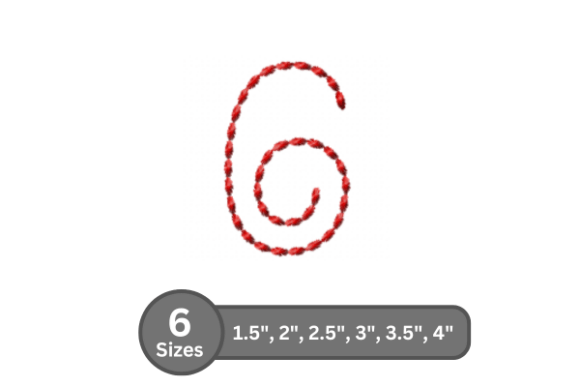
Soft Cord Number -6: A Designer’s Review
As an embroidery designer who has spent years digitizing fonts and testing them on everything from delicate silk to heavy canvas, I approach every new machine embroidery design with a critical eye. It is not just about whether the letters look pretty on a screen; it is about how they perform in the real world of small business merchandise. Today, I am reviewing Soft Cord Number -6, a fill stitch embroidery font that promises smooth stitching and professional results. For boutique owners, Etsy sellers, and apparel decorators, this review breaks down whether this embroidery file deserves a spot in your commercial library.
First Impressions: Visual Personality and Brand Fit
The name "Soft Cord" immediately suggests a specific texture and weight. When I first loaded the preview for Soft Cord Number -6, I was looking for clarity in the fill stitches. In the world of Monograms and custom lettering, the difference between a amateurish blob of thread and a crisp, professional logo often comes down to digitizing quality. This font appears to strike a balance between boldness and approachability. It does not scream "luxury minimalist," nor does it feel overly rustic. Instead, it lands in a sweet spot that feels friendly yet established.
For a small business owner, this visual personality is crucial. If you are running a local bakery, a pet grooming studio, or a creative co-working space, you need branding that feels welcoming but reliable. Soft Cord Number -6 offers that handmade warmth without sacrificing legibility. It is distinct enough to serve as a primary logo element on an embroidered patch but simple enough to remain readable when scaled down for a chest logo on a staff uniform.
Performance in Real Business Applications
The true test of any digital embroidery file is its versatility across different products. Here is how I envision Soft Cord Number -6 performing in various commercial scenarios:
- Staff Uniforms and Aprons: For cafes and boutiques, apron embroidery is a subtle but powerful branding tool. The fill stitch nature of this font provides excellent coverage on twill or canvas aprons. It creates a solid block of color that stands out against dark fabrics, enhancing brand recognition every time a staff member interacts with a customer.
- Custom Apparel and Caps: Cap embroidery is notoriously tricky due to the curved surface and limited space. Because this font is described as carefully digitized for smooth stitching, it should handle the curvature of a baseball cap front panel well, provided the lettering is not too wide. It works beautifully for sleeve details on work shirts, offering a premium touch that plain screen printing cannot match.
- Tote Bags and Merchandise: As a tote bag design element, this font shines. Tote bags are walking billboards for small businesses. The robust fill stitches ensure the design survives the wear and tear of daily use. Whether used for a bookstore’s logo or a farmer’s market brand, it adds tangible value to the handmade product.
- Branded Patches: Creating an embroidered patch allows for maximum flexibility. You can sew these patches onto jackets, hats, or packaging. Soft Cord Number -6 is ideal here because the fill stitches create a dense, durable surface that holds up to washing and friction, making it perfect for small business merch that needs to last.
Technical Considerations for Production
While the aesthetic appeal is strong, technical execution is where many projects fail. As a designer, I must highlight areas where caution is needed when using Soft Cord Number -6.
Stitch Density and Fabric Texture: Fill stitches inherently add bulk. If you are embroidering on lightweight fabrics like thin cotton tees or silky linings, the stitch density might cause puckering. Always use a appropriate stabilizer—likely a cut-away for garments that will be washed frequently—to support the weight of the thread. On textured fabrics like fleece or terry cloth towels, ensure the digitizing includes underlay stitches that anchor the design properly, preventing the letters from sinking into the pile.
Size Limitations: Do not push this font too small. While it is great for chest logos, attempting to use it for tiny text on a collar tag or a small hem label may result in lost detail. The individual stitches need room to breathe. If you need micro-lettering, this might not be the right choice. Always create a printable mockup at actual size to check legibility before sending the file to the machine.
Thread Colors and Contrast: Because this is a fill stitch font, it relies heavily on color contrast to define its shape. On dark uniforms, use bright or metallic thread colors to make the brand name pop. On light fabrics, consider using a slightly darker shade than the base fabric to maintain a sophisticated, tonal look. Test your design in black and white first; if it loses its definition without color, you may need to adjust the spacing or outline.
Enhancing Brand Identity and Customer Trust
Why does the choice of font matter for your bottom line? Consistency builds trust. When a customer receives a tote bag or wears a cap with a cleanly embroidered logo, it signals professionalism. Soft Cord Number -6 contributes to a cohesive brand identity. It suggests that you care about the details. In the realm of commercial embroidery, sloppy stitching or poorly chosen fonts can devalue a product. Conversely, a well-executed design elevates the perceived value of the item, allowing you to charge a premium for your custom apparel and accessories.
Furthermore, using high-quality design assets like this font helps in creating compelling marketing materials. A crisp, professional embroidery sample looks fantastic in social media posts and online stores. It shows potential clients that you deliver high-quality finished products, encouraging higher engagement and sales.
Practical Designer Notes for Implementation
Before you integrate Soft Cord Number -6 into your production workflow, follow these steps to ensure success:
- Check the Specs: The product description mentions it is designed for embroidery machines, but always verify the specific hoop size requirements and available file formats (such as PES, DST, or JEF) to ensure compatibility with your machine.
- Test on Real Fabric: Never skip the test stitch. Run the design on the same material you plan to use for the final product. Check for thread breaks, nesting, or registration issues.
- Confirm Licensing: Ensure you have the correct commercial license for using this embroidery file in products you intend to sell. Most designers offer different licenses for personal vs. commercial use.
- Create Mockups: Use digital tools to place the font on images of aprons, caps, and bags. This helps you visualize the scale and placement before committing to physical production.
- Maintain Your Machine: Fill stitch fonts require consistent tension. Ensure your machine is cleaned and oiled, and use high-quality threads to prevent breakage during long runs of dense stitching.
In conclusion, Soft Cord Number -6 is a versatile and professional addition to any embroidery designer’s toolkit. It bridges the gap between decorative flair and functional branding, making it an excellent choice for small businesses looking to elevate their merchandise. By paying attention to fabric choice, stabilizer selection, and proper sizing, you can leverage this font to create stunning, durable, and profitable branded goods.