Reviewing Merry Christmas Embroidery Files for Craft Fairs
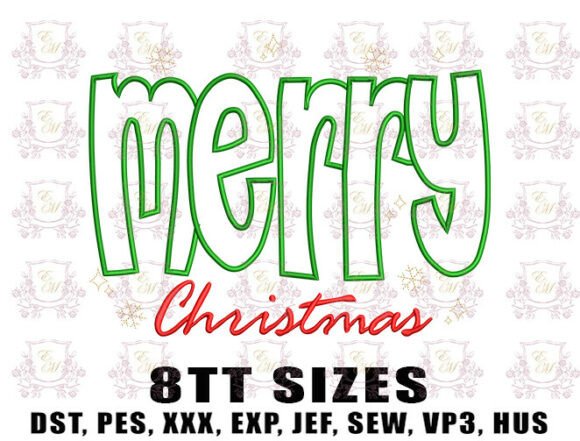
As an embroidery designer who has spent countless weekends behind a craft fair table, I know that the difference between a browser and a buyer often comes down to visual impact and perceived quality. When I first loaded the Merry Christmas Embroidery Files into my digitizing software, my immediate goal was not just to admire the art, but to evaluate its potential as a revenue-generating asset for the holiday rush. This vintage-style design, characterized by its timeless curl-font, offers a specific aesthetic that appeals to customers seeking elegance over kitsch. In this review, I will break down how this machine embroidery design performs in real-world applications, from tote bags to tea towels, and what you need to consider before adding it to your small shop product lineup.
First Impressions: Elegance Meets Festivity
The initial glance at this embroidery file reveals a design that leans heavily into the "vintage" and "elegant" categories. Unlike bold, cartoonish graphics that dominate some holiday markets, this curl-font approach feels sophisticated. It suggests a farmhouse or traditional holiday vibe, which is incredibly popular among buyers looking for heirloom-quality decor. For a craft fair seller, this is a significant advantage. It allows you to position your items as premium gifts rather than disposable novelty goods. The script style is fluid, implying movement and grace, which translates beautifully into thread when executed correctly. However, elegance requires precision. The thin lines of the curl font mean that your tension settings and stabilizer choice must be flawless to prevent puckering or thread breaks.
Product Applications and Market Fit
To determine the best use for these files, I mentally placed them on various blanks commonly sold at handmade markets. Here is where this design shines and where it requires caution.
- Tote Bags and Market Bags: A large-scale version of this design works exceptionally well on canvas tote bags. The contrast of white or gold thread against a natural cotton or deep red fabric creates a striking tote bag design that catches the eye from three feet away. It serves as a perfect focal point, making the bag feel like a complete gift rather than just a utility item.
- Tea Towels and Aprons: For kitchen textiles, scale is critical. The tea towel embroidery market is saturated, so your design must be crisp. This vintage script looks lovely centered on a flour sack towel. Similarly, an apron embroidery placement on the bib or lower hem adds a personalized touch that elevates the perceived value of the garment. Ensure the stitch density is low enough to keep the towel soft and absorbent.
- Caps and Patches: Curved surfaces are tricky. While an embroidered patch is a safe bet because you can control the backing, stitching directly onto a cap requires careful hooping. The curl details might get lost if the fabric is too textured or if the hoop size is too small to stabilize the curve properly. I recommend testing on a structured cap first.
- Pillow Covers and Pouches: These make excellent impulse buys at a booth. A small pouch with this design makes a charming gift card holder or jewelry case. The elegance of the font pairs well with velvet or linen fabrics, enhancing the luxurious feel of the finished product.
Production Practicality for Batch Selling
When preparing for a weekend craft fair, efficiency is key. You cannot spend twenty minutes trimming jumps on every single item. One of the strengths of this digital embroidery file is its potential for repeatability. If the digitizing is clean, with minimal jump stitches and logical color changes, it becomes a reliable workhorse for batch production. However, you must consider the stitch density. High-density areas in the thick parts of the letters can cause needle deflection or fabric distortion, especially on lighter materials like chiffon or thin cotton. Always run a test stitch-out on scrap fabric identical to your final product. This step is non-negotiable for maintaining brand consistency and quality control.
Photography is another crucial element. As an Etsy seller or online vendor, your images are your storefront. This design photographs beautifully because of its high contrast potential. Use a printable mockup to visualize different thread colors before you commit to stitching. Gold, silver, cream, and classic red are strong contenders. Ensure your lighting highlights the sheen of the thread, emphasizing the texture and depth of the curls. A flat, poorly lit photo will make the design look like a print, reducing its perceived value as a handmade item.
Technical Considerations and Careful Use
While the aesthetic is strong, there are technical pitfalls to avoid. The tiny details in the curl font can disappear if stitched too small. You must respect the minimum size recommendations provided with the design assets. If you shrink the design below its intended limit, the threads will merge, turning elegant loops into a solid blob. This is particularly important for items like pocket squares or small patches.
Fabric texture also plays a major role. On highly textured towels or thick denim, the fine lines of the script may get lost. In these cases, consider using a thicker thread weight or a contrasting underlay to help the design pop. Conversely, on smooth fabrics like satin or polished cotton, the design will look crisp and professional. Always match your stabilizer to the fabric. A cut-away stabilizer is often safer for stretchy knits or items that will be washed frequently, while tear-away works well for stable woven fabrics like tote bags.
Maximizing Visual Appeal and Sales
The ultimate goal of using Merry Christmas Embroidery Files is to drive sales. This design contributes to visual appeal by offering a sense of nostalgia and warmth. Customers are drawn to items that feel personal and crafted with care. By placing this design on high-quality blanks, you signal that your brand values excellence. It strengthens your booth display by providing a cohesive theme. Imagine a table with matching aprons, towels, and totes all featuring this elegant script; it creates a curated collection that encourages multiple purchases.
Buyer engagement increases when they can see the versatility of the design. Display samples on different colored fabrics to show how thread color changes the mood. A navy blue towel with silver thread feels modern and cool, while a cream towel with red thread feels traditional and warm. This helps customers visualize the item in their own homes, bridging the gap between interest and purchase.
Designer Notes for Best Results
- Test Before You Sell: Never assume a file is perfect. Stitch it out on your actual blank products to check for registration issues or thread breaks.
- Check Thread Contrast: Ensure your thread color stands out against the fabric. Low contrast can make the design look muddy from a distance.
- Verify Licensing: Before selling any commercial embroidery products, confirm the license terms of the digital file. Ensure you have the right to sell finished physical goods.
- Optimize Hoop Size: Use the smallest hoop necessary for the design to maximize stability, but ensure it fits the placement area on your product.
- Create Mockups: Use digital tools to create printable mockup images for your online listings, saving time and thread during the marketing phase.
In conclusion, the Merry Christmas Embroidery Files offer a versatile and elegant option for holiday crafting. With careful attention to technical details and strategic product selection, this design can become a staple in your holiday inventory, driving both foot traffic at fairs and clicks online. Remember, the success of a craft fair product lies not just in the design itself, but in how well it is executed and presented to the customer.