Cherry Knot Number - 3: A Designer Review
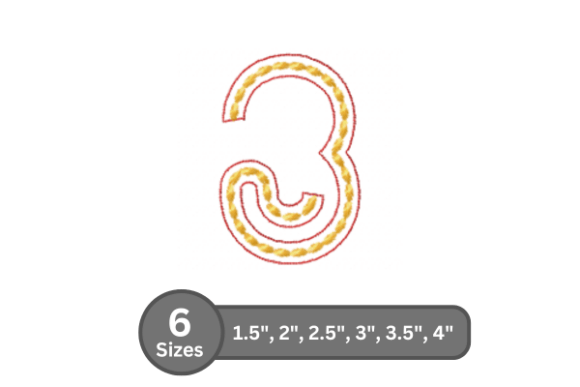
As an embroidery designer who has spent years digitizing and testing files for commercial use, I approach every new machine embroidery design with a critical eye. It is not just about whether the design looks pretty on a screen; it is about how it performs under the needle, how it holds up after washing, and most importantly, how it serves the brand identity of the small business owner using it. Recently, I had the opportunity to review Cherry Knot Number - 3, a stylish stitched font character that promises versatility for monograms and decorative text projects. For boutique owners, Etsy sellers, and apparel decorators, this review breaks down whether this asset belongs in your digital library.
First Impressions and Visual Personality
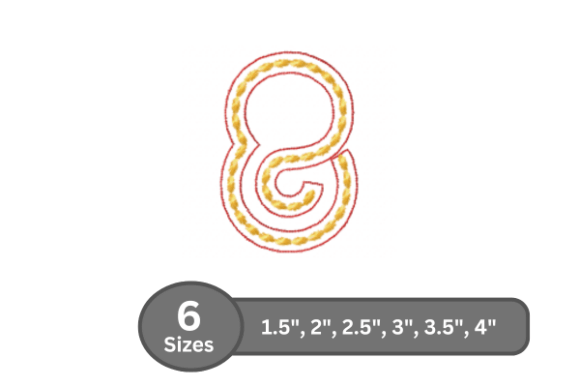
The first thing that strikes you about Cherry Knot Number - 3 is its distinct personality. In a market saturated with generic sans-serif fonts and overly complex script styles, this design offers a balanced aesthetic that feels both handmade and professional. The "knot" aspect suggests a textured, organic feel, which aligns perfectly with the current consumer demand for authentic, artisanal goods. It does not scream loud or aggressive; rather, it whispers quality and attention to detail.
For a small business, visual consistency is key. This design fits seamlessly into brands that value a rustic, cozy, or premium handmade vibe. Think of a local bakery, a floral studio, or a pet grooming service. The character carries a warmth that can make a sterile uniform feel welcoming. However, it is essential to note that because it is a stylized font, it may not suit ultra-modern, tech-focused, or corporate minimalist brands. Knowing where your brand sits on the spectrum of playful versus serious will determine if this embroidery file is the right fit for your primary logo or secondary accents.
Real-World Applications for Small Business Merch
The true test of any digital embroidery file is its application in real-world scenarios. Cherry Knot Number - 3 shines when used as part of a larger branding strategy. Here is how I envision it performing across various merchandise types:
- Embroidered Patches: This is perhaps the strongest use case. Because the design comes in multiple sizes, it can be scaled down for a small chest patch or scaled up for a back patch. The knot style adds dimension, making the patch feel substantial and high-quality.
- Custom Apparel and Uniforms: For staff at a boutique café or a creative studio, placing this character on the left chest of a polo shirt or apron creates a subtle yet recognizable brand mark. It acts as a badge of pride for the wearer.
- Cap Embroidery: Caps are tricky due to the curved surface and limited space. If the size variant chosen is compact, this design can work beautifully on the front panel or the side of a dad hat, adding a touch of personality without overwhelming the headwear.
- Tote Bag Design: Canvas totes are a staple for handmade product packaging. Embroidering this character onto a tote bag elevates it from a simple carrier to a reusable piece of branded merchandise that customers will actually want to keep and use.
- Product Packaging Accents: Imagine a small embroidered tag attached to a handmade candle or a knitted scarf. Using Cherry Knot Number - 3 as a monogram initial on these tags adds a layer of luxury and personalization that printed labels simply cannot match.
Navigating Technical Challenges and Fabric Constraints
While the aesthetic appeal is strong, practical execution requires careful planning. As a designer, I always advise testing the stitch density before running a full production batch. Stylized fonts with knot-like elements can sometimes have high stitch counts in small areas. If you are embroidering on delicate fabrics like silk or thin cotton, this density could cause puckering or fabric distortion.
Here are specific scenarios where you should proceed with caution:
- Small Patch Sizes: If you scale the design down too much, the intricate details of the "knot" may merge together, losing definition. Always check the smallest available size in the package to ensure legibility.
- Curved Surfaces: When applying this to cap fronts or sleeve cuffs, the curvature can distort the shape. Hooping technique becomes critical here. Use a strong backing and consider using a topping if the fabric has a nap.
- Dark Uniforms: Contrast is vital. If you are stitching this on black or navy uniforms, ensure your thread colors pop. A low-contrast combination will make the design disappear from a distance, defeating the purpose of brand recognition.
- Textured Fabric: On towels or fleece, the fine lines of the font might get lost in the pile. In these cases, a water-soluble stabilizer on top of the fabric is non-negotiable to keep the stitches clean and visible.
Impact on Brand Identity and Customer Trust
Why go through the trouble of embroidery when printing is cheaper? The answer lies in perceived value. An embroidered logo signals permanence and quality. When a customer receives a product with Cherry Knot Number - 3 stitched into it, they subconsciously register the item as premium. This enhances brand identity and fosters trust. It shows that the business invests in its presentation.
Furthermore, in the era of fast fashion, handmade and customized items stand out. Using this design for small business merch allows you to create limited-edition runs or personalized gifts that feel special. It transforms a standard transaction into an emotional connection. Whether it is an apron embroidery for a barista or a monogrammed towel for a spa client, the tactile nature of the stitch engages the customer in a way that ink cannot.
Practical Designer Notes for Production
Before you load this file into your machine for a client order or your own inventory, follow these professional steps to ensure a flawless finished product:
- Test in Black and White First: Strip away the color distraction. Sew a sample in black thread on white fabric. This reveals the true structure and spacing of the design. If it looks messy in monochrome, it will look messy in color.
- Check Hoop Size Compatibility: The description mentions multiple sizes, but always confirm the specific dimensions against your machine’s maximum hoop area. You do not want to start a job only to realize the design is slightly too large for your frame.
- Select the Right Stabilizer: For knit fabrics like t-shirts, use a cut-away stabilizer to prevent stretching. For woven fabrics like twill or canvas, a tear-away may suffice, but a cut-away often provides a cleaner, more professional finish for dense designs.
- Create a Printable Mockup: Before stitching, place the design digitally onto a photo of your garment. This helps you visualize placement and scale. It is also an excellent tool for client approval, ensuring everyone agrees on the look before thread hits fabric.
- Verify Commercial Licensing: Always read the license terms included with your design assets. Ensure that the file permits use for physical goods sold for profit. Most designers allow this, but it is crucial to confirm to protect your business legally.
- Thread Color Contrast: Choose threads that complement your brand palette but also offer enough contrast against the fabric. Metallic or variegated threads can add interest to the "knot" texture but may reduce readability if not chosen carefully.
In conclusion, Cherry Knot Number - 3 is a versatile and charming addition to any embroidery designer’s toolkit. It bridges the gap between decorative flair and professional branding. By understanding its technical requirements and leveraging its aesthetic strengths, small business owners can create memorable, high-value merchandise that resonates with their customers. Whether used for commercial embroidery projects or personal handmade product lines, this design has the potential to elevate your brand presence significantly.