Cherry Knot Number - 1: A Designer’s Review
As an embroidery designer who spends countless hours digitizing and testing files, I know that not every machine embroidery design is created equal. Some are purely functional, while others carry a distinct personality that instantly elevates a handmade product. Recently, I had the opportunity to test Cherry Knot Number - 1 for a upcoming collection in my personalized gift shop. This review is based on my real-world experience stitching this file, evaluating its performance on various fabrics, and assessing its potential for customer appeal.
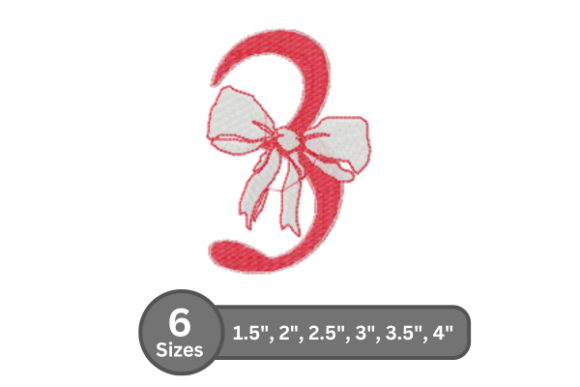
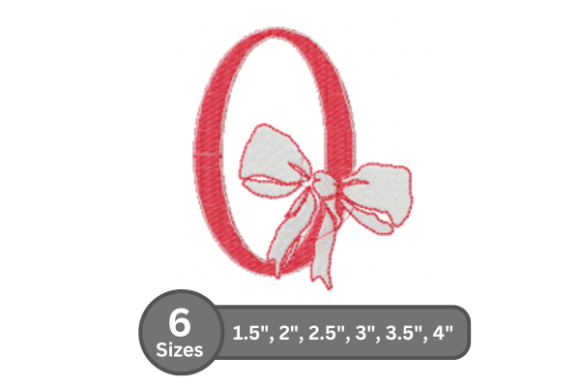
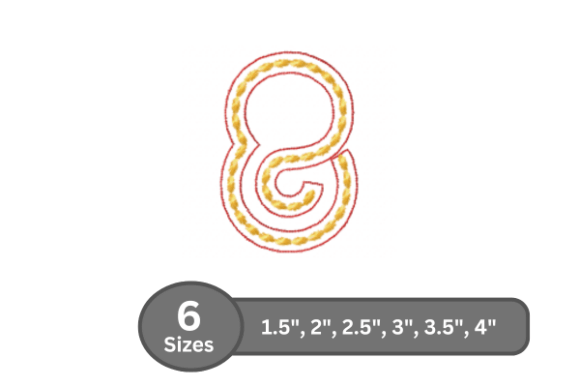
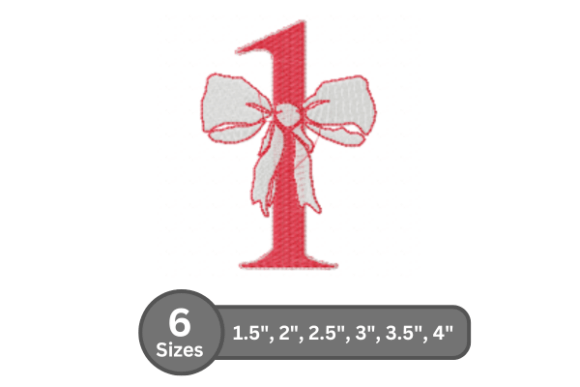
The first thing that struck me about Cherry Knot Number - 1 was its mood. It is not just a standard alphabet letter; it possesses a charming, slightly whimsical character that feels both sweet and elegant. The "cherry knot" aesthetic suggests a playful yet refined touch, making it incredibly versatile. For makers and Etsy sellers, this emotional appeal is crucial. When a customer sees a finished item featuring this design, they do not just see text; they see care, creativity, and a unique artistic choice. It feels handmade in the best possible way, avoiding the sterile look that some automated fonts can produce.
Perfect Applications for Personalized Gifts
In my workshop, I immediately began brainstorming where this design would shine. Because Cherry Knot Number - 1 comes in multiple sizes, it is highly adaptable. I started with baby items, as the soft, rounded nature of the knot style lends itself beautifully to nursery decor. I stitched a sample on a soft muslin blanket embroidery project, using pastel thread colors. The result was adorable. It is ideal for baby embroidery projects like bibs, burp cloths, and receiving blankets. Parents looking for a personalized gift often want something that feels tender and special, and this design delivers that sentiment effortlessly.
Beyond the nursery, I tested the design on home goods. An embroidered towel featuring a monogrammed initial in this font became an instant favorite. The texture of the terry cloth provided a nice contrast to the smooth stitches of the design. However, this is where attention to detail becomes critical. I also envisioned this as a stunning addition to wedding keepsakes. Imagine a set of handkerchiefs or a pillow cover for the bridal suite, embroidered with the couple’s initials. The romantic undertone of the cherry knot motif makes it a strong contender for wedding gift collections. It adds a layer of sophistication without being overly formal or stiff.
For those running a small shop product line, consider tote bags and aprons. The design holds up well on canvas and cotton blends, provided you use the right stabilizer. A custom tote bag with a single, large initial from this series makes for a chic, minimalist accessory that appeals to a broad demographic. It transforms a simple utility item into a custom embroidery statement piece.
Navigating Fabric Textures and Stitch Density
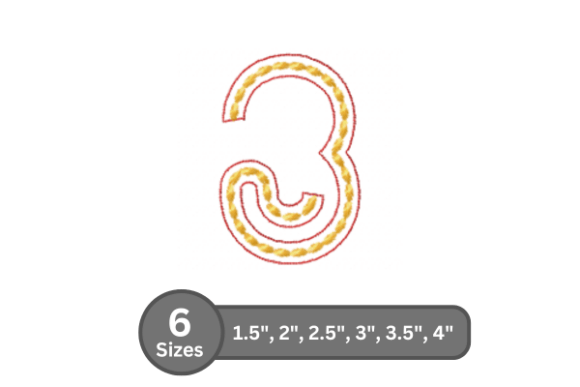
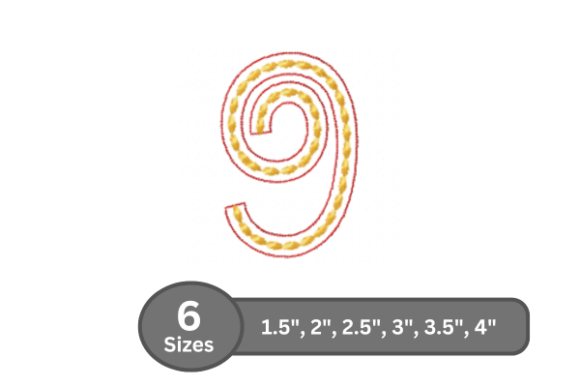
While Cherry Knot Number - 1 is versatile, it is not without its technical considerations. As a professional, I must advise caution when working with certain materials. The design features stylish stitched details that rely on clear definition. If you are working with a highly textured fabric, such as a thick waffle-weave towel or a fuzzy fleece, the finer details of the knot might get lost. In these cases, I recommend increasing the stitch density slightly if your software allows, or choosing a larger size from the included options to ensure clarity.
Another critical factor is the choice of stabilizer. For stretchy baby clothes or knit fabrics, a cut-away stabilizer is non-negotiable to prevent puckering. For woven fabrics like linen or cotton used in pillowcases, a tear-away might suffice, but always test on scrap fabric first. I learned this the hard way when my first attempt on a thin silk blend resulted in slight gathering. Switching to a lightweight fusible stabilizer solved the issue, but it reinforced the importance of prep work.
Dark fabrics present another challenge. The charm of this design lies in its intricate stitching. If you stitch light thread on dark fabric, the contrast is beautiful, but you must ensure your tension is perfect. Any loose threads or nesting will be highly visible. I always recommend creating a printable mockup or digital preview to check color combinations before committing to the final hoop. Comparing light and dark fabric mockups helps you decide which thread colors will make the "cherry knot" details pop rather than disappear.
Enhancing Perceived Value and Customer Trust
From a business perspective, the quality of your embroidery file directly impacts your brand’s perceived value. When I displayed the stitched samples of Cherry Knot Number - 1 on my social media, the engagement was noticeably higher than with standard block letters. Customers are drawn to uniqueness. This design signals that the seller has curated their tools and cares about aesthetics. It builds trust because it looks professional and intentional.
For commercial embroidery use, this design can be a standout in your catalog. Whether you are selling digital products or finished goods, the versatility of the font allows for cohesive branding. You can use it across a range of products, from kitchen linens to nursery art, creating a recognizable style for your shop. However, always confirm commercial licensing terms before selling finished products. While many designers allow it, it is essential to read the specific license included with your digital embroidery file to ensure compliance.
Practical Tips for Best Results
To help you get the most out of Cherry Knot Number - 1, here are my top practical recommendations based on my testing:
- Test on Scrap Fabric: Never skip this step. Check how the design interacts with your specific material’s weave and stretch.
- Check Thread Color Contrast: Use high-contrast threads for textured fabrics to ensure the knot details remain visible.
- Confirm Hoop Size: Ensure your machine’s hoop can accommodate the largest size included in the file if you plan to make large statement pieces.
- Review Stitch Density: If the design appears too sparse on loose-weave fabrics, consider adding a backing stitch or using a denser stabilizer.
- Use Proper Stabilizer: Match the stabilizer to the fabric weight. Cut-away for knits, tear-away for stable wovens.
- Inspect Small Details: After stitching, check the knots and curves for any thread breaks or jumps that need trimming.
In conclusion, Cherry Knot Number - 1 is a delightful addition to any embroidery designer’s library. It bridges the gap between playful and elegant, making it suitable for a wide array of Monograms and decorative text projects. Whether you are creating a heartfelt wedding gift, a cozy baby item, or a chic home accessory, this design offers the charm and quality that modern customers crave. By paying attention to fabric choice, stabilizer selection, and thread contrast, you can ensure that every finished product reflects the high standards of your craft. It is a reliable, beautiful tool for anyone looking to add a touch of handmade magic to their creations.